How to estimate the cost of electronics production (Bill of Materials) before the first schematic is created?
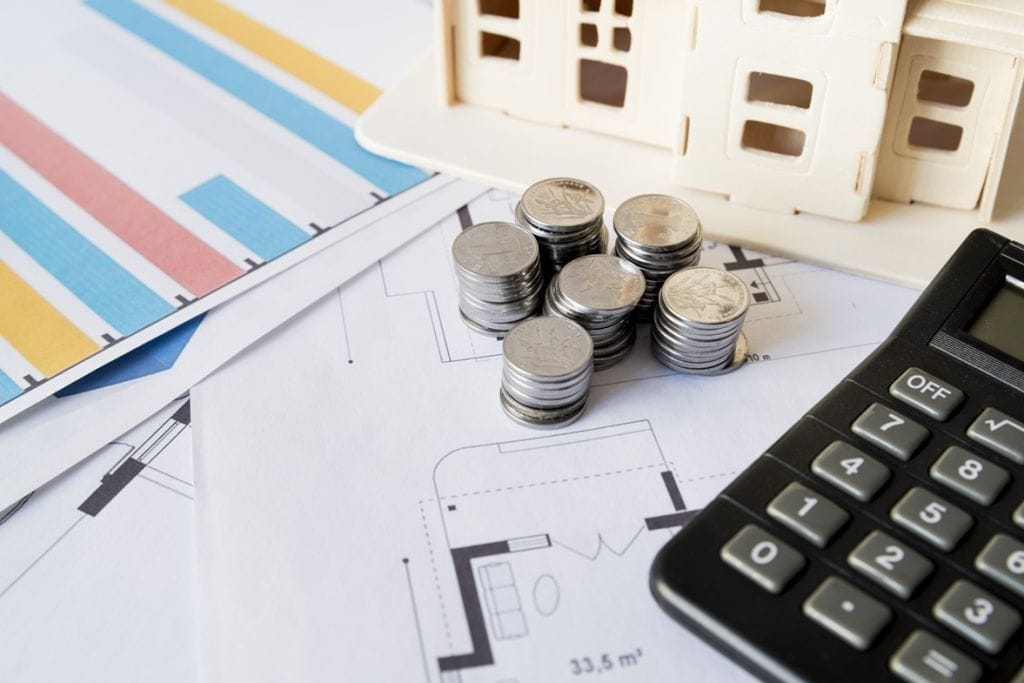
Picture this: after six months of intense work on an innovative product, hundreds of coffees, and countless sleepless nights, you finally receive the component quote. The result? The cost of the electronics alone is higher than the projected retail price of your finished product.
This is a nightmare scenario, one that has earned its own famous adage in the tech industry: hardware is hard. It is precisely this lack of cost control at the early stages that causes promising projects to be shelved and innovations in large companies to be frozen due to a lack of profitability. In electronics engineering, we counter this with a design-for-cost approach. Let me show you how to look into the future of your price list when you have nothing but a blank sheet of paper and a clear vision for your product.
Why is BOM cost calculated “backwards” rather than “forwards”?
Most people make the same mistake: they design the device first, and only then ask, “How much will this cost?” We flip this process on its head.
The Target Costing Concept
Instead of adding up random parts, start with the price your customer is actually willing to pay. If you know that the product on the shelf can retail for 500 PLN, and your margin plus distribution costs must equal 60%, then you are left with 200 PLN for manufacturing. This is your target cost. Every single decision to add a new feature must fit within this exact budget.
The “Feature Creep” Trap
You know that feeling when, during a meeting, someone chimes in with: “Hey, why don’t we add a color touchscreen to this?” It seems like just one extra part. However, in the world of electronics, swapping simple LEDs for a display doesn’t just mean a more expensive component. It also requires a more powerful processor, a larger enclosure, and faster battery drain. Every “cool feature” adds extra zeros to your cost sheet.
Calculation Fundamentals: What does the cost of electronics consist of?
To estimate the cost, you need to know what you are actually paying for. In the industry, we use the acronym BOM (Bill of Materials), which is simply the “ingredients” list for your device.
The PCB: This is the foundation where all the parts land. The smaller and simpler it is (fewer internal copper layers), the cheaper it gets.
Active components (The brain): The microcontroller is the most vital piece here, it controls everything. Its price depends on how complex the operations it needs to perform are.
Enclosure and mechanics: This is often the biggest surprise. If you are developing a custom, unique enclosure, you have to account for the cost of injection molds (which can run into tens of thousands of dollars) as well as the per-unit price of the plastic or metal. Depending on the type of device, this can account for up to half of the product’s total cost!
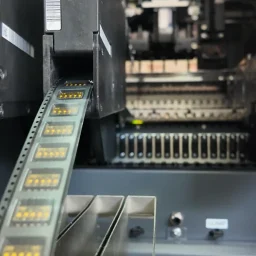
Assembly (EMS): The contract manufacturers (electronics manufacturing services) who assemble the electronics for you will add their margin and machine setup costs. This is where the magic of scale comes into play: manufacturing 100 units will be significantly more expensive per unit than a run of 10,000 units.
“Block” Method – How to count without a diagram?
You don’t have to be an engineer to come up with a rough cost estimate. You just need to know how to build with building blocks.
Breaking It Down Into Modules
Split your device into logical building blocks:
Power supply: Is it battery-operated, or does it plug into a wall outlet?
Connectivity: Does it need Wi-Fi, Bluetooth, or perhaps a wired connection?
Sensors: What is the device supposed to measure (temperature, motion, humidity)?
User interface: How does the user interact with it (buttons, a screen)?
Benchmarking and Margin of Error
Check how much ready-made development boards that perform these functions cost. If a bluetooth module retails for $5, you can assume the price will drop in mass production, but it gives you a solid baseline. At this stage, always add a 20 – 30% “safety buffer“. Electronics design is a dynamic process – unexpected surprises always pop up along the way.
Pułapki, które rujnują budżet
Nawet idealnie policzony BOM może „polec” na detalach, o których zapomina się na starcie.
- Certyfikacja (CE, FCC): Aby legalnie sprzedawać elektronikę, musisz ją przebadać w laboratorium. To koszt jednorazowy (często kilka-kilkanaście tysięcy euro, w zależności od produktu), który musi zostać rozłożony na każdą sprzedaną sztukę.
- Łańcuch dostaw: Wybranie bardzo taniego komponentu od nieznanego dostawcy to ryzyko. Jeśli nagle zniknie on z rynku, będziesz musiał przeprojektować całe urządzenie od nowa. To kosztuje fortunę.
- Design for Manufacturing (DFM): Urządzenie musi być łatwe do złożenia przez automat. Jeśli projektant umieści części zbyt blisko siebie, odrzut w fabryce będzie wysoki, co podniesie cenę każdej sprawnej sztuki.
Your Pre-Project Checklist
Before requesting a quote, answer these 5 questions:
- Where will the product be used? (Indoors, outdoors, in harsh environments?)
- How will it be powered? (Battery – how long should it last? 230V mains?)
- What is the expected production volume? (100, 1,000, or 100,000 units per year?)
- What certifications are required? (EU only, or US/Asian markets as well?)
- What is my target cost? (What is the maximum production cost?)
SUMMARY
Estimating the BOM cost before work begins isn’t just guesswork – it’s pure financial engineering. The earlier you define your budget, the less painful the research and development (R&D) process will be. Remember, the best product is one that not only works well but also supports itself and your development.
WANT TO CHECK IF YOUR IDEA MAKES BUSINESS SENSE?
Do you have a product vision but aren’t sure if its production will be profitable? Schedule a free technical consultation with our engineers. We’ll ensure your product is profitable from the planning stage, eliminating the risk of costly mistakes in the future.