In the world of electronics, there is no shortage of debate over which assembly method is superior. SMT (surface mount technology) is often seen as ‘competing’ with THT (through-hole technology) – but is that really the case?
It depends.
To provide a clear answer on which method is superior, multiple factors must be carefully evaluated.
But let’s start from the beginning.
What lies behind the acronyms SMT and THT?
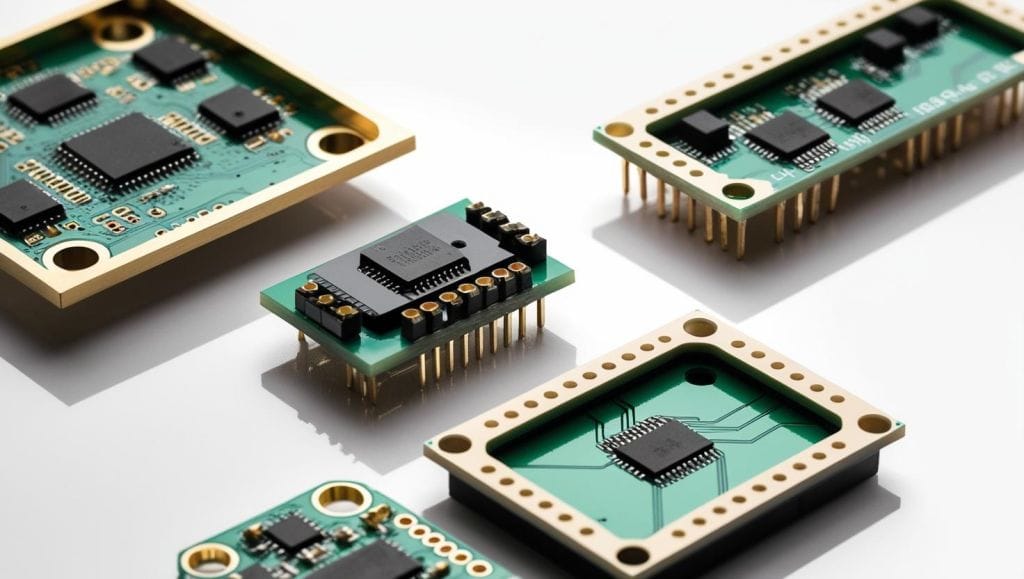
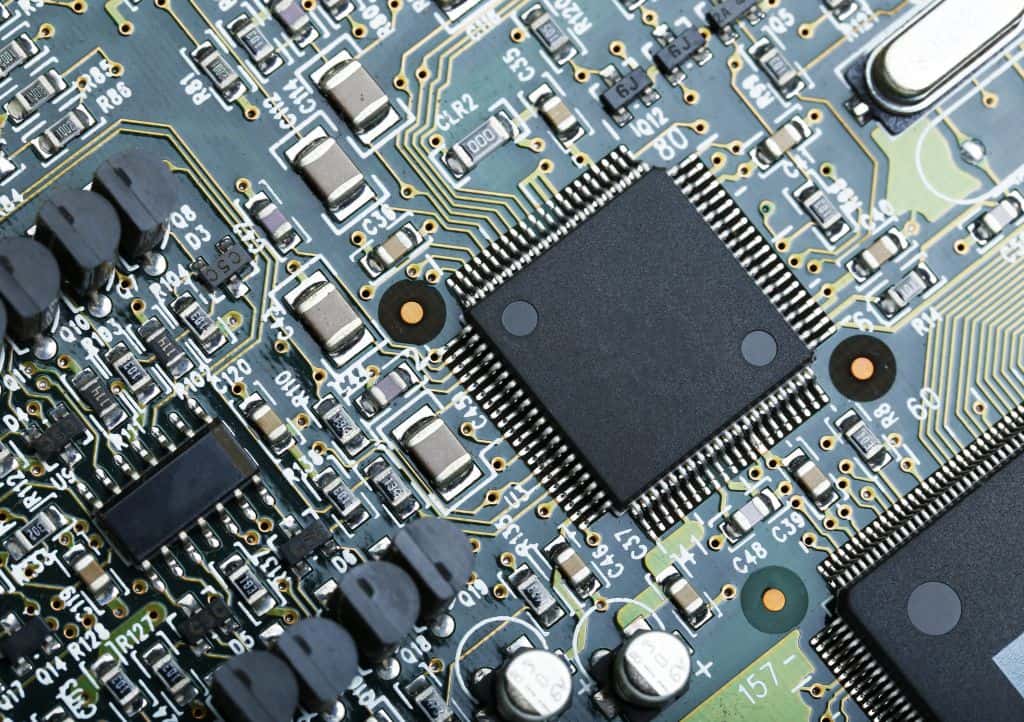
SMT (Surface-Mount Technology) is exactly what the name suggests. Components are placed directly onto the surface of a compact board and attached using solder paste. The mounting points are precisely engineered to ensure perfect electrical conductivity. You can watch how the SMT process works here.
Advantages of SMT:
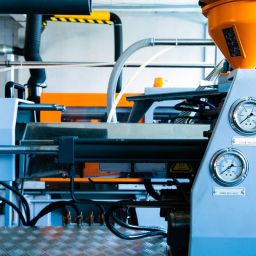
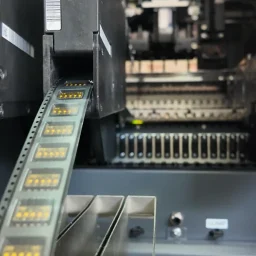
High-speed production: Surface-mount assembly is fully automated, significantly reducing lead times while maintaining the highest quality standards. Equipment such as solder paste printers, Pick & Place machines, and reflow ovens allow for the production of anywhere from several to dozens of units in a single cycle.
Miniaturization: SMT components are often extremely small, which, in today’s era of miniaturization, enables the manufacturing of highly compact devices.
Cost-efficiency: SMT also requires less material, which in turn helps reduce overall production costs.
THT (Through-Hole Technology) can be performed using both manual and automated systems. Components equipped with leads (pins) are inserted through dedicated holes in the PCB and soldered on the opposite side to secure them. To protect such boards from moisture or damage, protective coatings – such as silicone, lacquer, or resins – are often applied. Through-hole technology is most commonly used for small-batch production or prototyping, where modifications can be made on the fly.
Advantages of THT:
Rapid modification: A clear advantage of THT is the easy access to components on the module, which is crucial in the event of a failure or the need for a design change.
Durability: THT assembly is characterized by high resistance to mechanical stress and vibration. This is an essential feature, as many modules of this type are installed in machinery operating under extreme conditions, such as military, aerospace or railway equipment.
Each of the technologies described above has its pros and cons. However, the key factor in choosing between them is the nature and intended use of the device for which the module is being produced.
If you are looking for high-volume production where time is of the essence, SMT is the ideal choice. On the other hand, if your priority is mechanical durability and ease of repair or modification, THT is the way to go.
At Prodel, we offer the best of both worlds. With our highly skilled team and state-of-the-art machinery, we combine precision and rapid lead times with cost optimization.